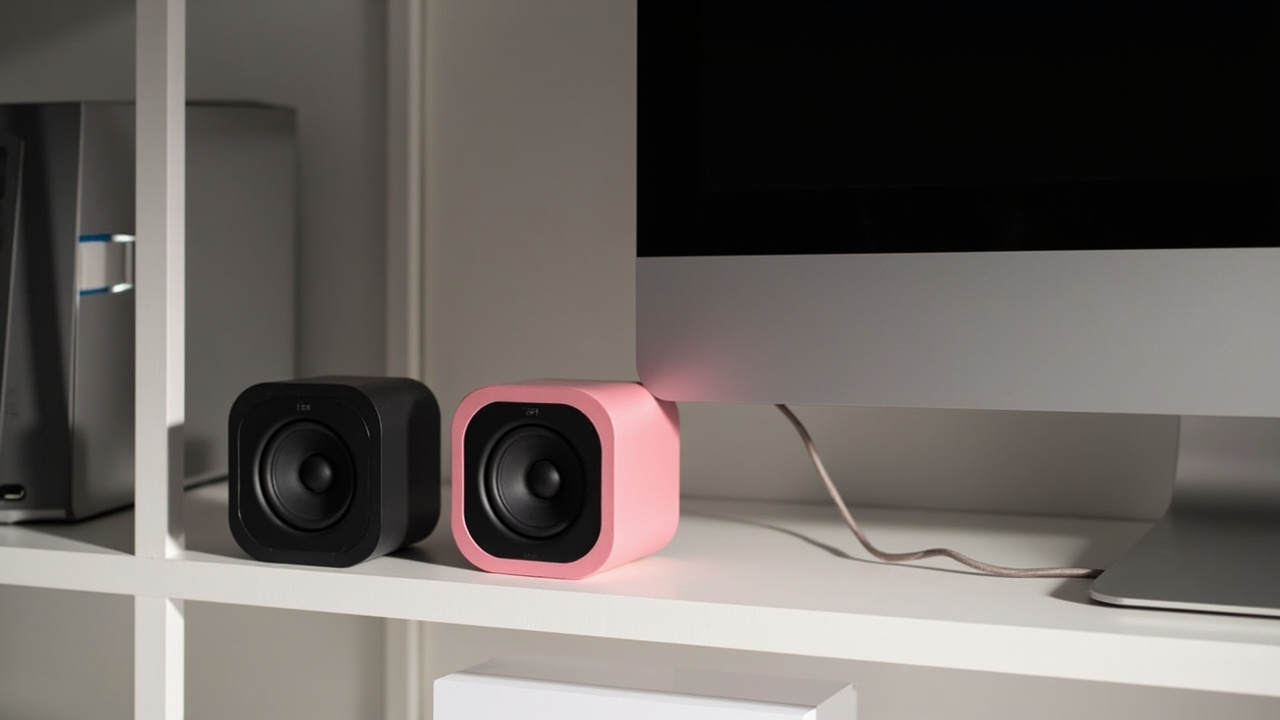
TL;DR: Ikea's $59.99 Badkruka is a mains-powered, boxy Bluetooth speaker with an included optical cable for TVs and PCs, plus stereo pairing, multi-speaker sync, Spotify Tap and three EQ modes.
Ikea puts a TV-ready speaker on US shelves for $59.99
Ikea's new Badkruka wireless Bluetooth speaker is now available in the US for $59.99, according to The Verge, which reported the launch on Sep 11, 2026. The report describes a boxy speaker almost seven inches tall that trades portability for home use and adds a wired digital input rarely seen at this price.
The price positions Badkruka well above Ikea's tiny $10 Kallsup speaker that Ikea debuted earlier this year at CES 2026, as reported by The Verge. Where Kallsup was colorful, tiny and built for carrying around, Badkruka is larger, needs a wall outlet, and is aimed at desks, shelves and TV stands.
Availability was documented in stages. TechRadar, also reporting on Sep 11, 2026, said details came from the product page on Ikea's German website via Notebookcheck, where the speaker was listed at €50, and noted it also appeared on the Swedish site. The Verge reported US availability at $59.99 on the same day, while The Gadgeteer listed US pricing at $59.99 and German pricing at €49.99. TechRadar estimated the €50 German figure translated to roughly $58 / £43 / AU$81 for readers outside Germany.
The core idea is flexibility in one compact box. According to The Gadgeteer, Badkruka supports Bluetooth for mobile devices, an optical input for compatible TVs, monitors or other devices with an optical audio output, stereo pairing for two units, synchronized multi-speaker playback with other compatible Ikea Bluetooth speakers, Spotify Tap, and three EQ settings. Ikea also includes an optical cable in the box, The Verge and The Gadgeteer both report.
How Badkruka compares to the $10 Kallsup
Badkruka is reminiscent of the colorful and tiny $10 Kallsup speaker, according to The Verge, but almost every practical detail is different. Kallsup was presented at CES 2026 as an ultra-cheap portable option, while Badkruka is described as a home speaker that stays plugged in.
Size is the most visible change. The Verge puts Badkruka at almost seven inches tall with a boxy shape. The Gadgeteer gives exact dimensions of 16 cm wide, 16 cm deep and 17.5 cm tall. TechRadar lists the same footprint as 16cm wide x 16cm deep x 17.5cm tall, or 6.3 inches x 6.3 inches x 6.9 inches.
Color choice is narrower. The Verge reports Badkruka is available with a black plastic finish or a pink one that almost looks like a wood grain texture, adding that color options aren't as expansive as the Kallsup. The Gadgeteer contrasts that black and pink pairing with Kallsup's bright yellow-green and vibrant pink options, calling the Badkruka finishes fairly muted by comparison.
Power is the other break from pocket speakers. The Verge reports Badkruka lacks a rechargeable battery, so wherever it is used will need a power source within reach. The Gadgeteer describes it as compact and mains-powered rather than portable and battery-powered, and says it is meant to stay plugged in. TechRadar similarly notes product photos show a power cord and no mention of a rechargeable battery.
That distinction shapes where it fits. The Gadgeteer says Badkruka is a better fit for a desk, shelf, bedroom, kitchen or TV setup than for outdoor trips or travel. It adds that Badkruka is not presented as weather-resistant, making it less compelling if portability is the main goal.
A cube built to stay put
Badkruka's materials and proportions underline its role as furniture-adjacent tech. According to The Gadgeteer, the upper cover is made from ABS plastic containing at least 50% recycled material, while the bottom section uses polycarbonate. TechRadar describes the build as ABS plastic and polycarbonate.
The shape has drawn comparisons beyond Ikea's own lineup. SoundGuys noted the resemblance is close enough to Valve's Steam Machine that owners might mix up one for the other, according to a summary of launch coverage. That boxy cube look also explains TechRadar's description of Ikea being on a roll with cube-shaped, low-price Bluetooth speakers after the Kallsup.
There is no official announcement quoted in the launch reports; TechRadar said there was no official announcement about Badkruka just yet and that coverage relied on the German product page. That product-listing origin is why early reports focus on listed features and Ikea's own sound description rather than independent measurements.
Ikea describes the speaker as delivering clear, powerful, balanced midrange sound for music, movies and gaming, and says it can fill a room with sound, according to The Gadgeteer. The same outlet stresses those are Ikea's claims, not independent evidence of audio performance. TechRadar quotes similar Ikea language describing powerful and balanced sound ideal for gaming, streaming or listening to music via Google Translate, while noting Ikea does not give technical specs in terms of audio capabilities.
The Gadgeteer states it has not heard Badkruka, so bass extension, maximum useful volume, dialogue clarity and overall tonal balance will need hands-on listening tests. That caution matters because none of the launch coverage cited independent measurements of latency, maximum volume or optical-format support.
Optical input is the standout feature
The feature most cheap Bluetooth speakers skip is the TOSLINK optical input, according to The Gadgeteer. Badkruka can be connected to home theater gear, a TV or a PC's TOSLINK port using an included optical cable, The Verge reports.
The Gadgeteer specifies the optical input is for compatible TVs, monitors or other devices with an optical audio output, and confirms Ikea includes an optical cable in the box. The outlet calls that included cable particularly notable at this price, because it provides a straightforward way to connect to a compatible TV, monitor or other source with an optical audio output.
That wired path sits alongside wireless. The Verge reports audio sources can be connected over Bluetooth, so the speaker can wirelessly connect to mobile devices or tether to a home theater. The Gadgeteer frames that dual approach as taking a more flexible approach than most portable models built around one job of connecting a phone and playing music.
Ikea's own product language backs the screen-first framing. According to a summary of launch coverage, Ikea describes the port as a way to connect to other sound gear, phrasing built around screens rather than casual listening. The Gadgeteer says Ikea is positioning Badkruka as a speaker that can start small and take on additional jobs around the home, rather than simply offering another inexpensive way to stream music from a phone.
What the optical connection can carry remains unconfirmed. The launch reports do not confirm which audio formats the port supports beyond basic stereo output, whether video and audio stay in sync when hooked to a TV, or whether a paired stereo set can be driven from a single optical source or only over Bluetooth. Those gaps were flagged as needing testing because they determine whether Badkruka functions as a screen speaker in practice.
Stereo pair or whole-home sync
One Badkruka works as a single Bluetooth speaker, but Ikea also allows two units to be paired as dedicated left and right stereo channels, according to The Gadgeteer. The Verge similarly reports a pair of Badkrukas can be connected for stereo sound.
The company promotes this arrangement for use with a TV or screen, The Gadgeteer reports, making it potentially useful for gaming and movies as well as music. Promotional images show two speakers flanking a desktop monitor, as noted by The Verge, which published Ikea imagery of two black Badkruka units on either side of a display.
Buying two at US pricing would total about $120 before tax, based on the $59.99 single-unit price reported by The Verge. The Gadgeteer gives the European equivalent as about €100 for two at €49.99 each, suggesting the pair could serve as an alternative to a basic soundbar or a pair of conventional powered speakers.
Whether that stereo setup offers convincing imaging, clear dialogue or suitably low latency for games is something Ikea's specifications alone cannot establish, The Gadgeteer reports. No current reporting says whether a stereo pair can also join a broader multi-speaker group at the same time.
Multi-speaker mode is a separate function. According to The Verge, Badkruka can be wirelessly connected to several other speakers that support multi-speaker mode to better fill a home or larger space with sound. The Gadgeteer explains the difference: a pair produces separate left and right channels, while speakers linked through multi-speaker mode reproduce the same audio in sync.
That makes multi-speaker mode better suited to spreading the same music through several parts of a home than creating a wider stereo image, The Gadgeteer reports. Ikea says compatible speakers can work at least 10 meters apart under suitable conditions, though walls, placement and wireless interference can affect that range, according to the same outlet. TechRadar notes that with the Kallsup it is possible to pair up to 100 units, but does not state the same limit for Badkruka.
Spotify Tap and three EQ modes
Badkruka includes Spotify Tap, continuing a feature Ikea has used on several recent Bluetooth speakers, according to The Gadgeteer. Pressing the Spotify Tap button can resume Spotify playback from where playback previously stopped, while pressing it again can select different music based on listening history.
TechRadar also lists a Spotify Tap button along the top of the speaker, saying one press can carry on from where listening left off on Spotify on another device. The Verge confirms the speaker supports Spotify Tap.
The benefit described is convenience. The Gadgeteer explains that normally using a Bluetooth speaker means picking up a phone, opening Spotify, finding what was playing and starting it again, while Badkruka moves part of that interaction onto the speaker itself. The outlet adds that Spotify Tap still relies on Spotify and a connected playback device, so it does not turn Badkruka into a standalone streaming speaker.
Sound tuning is handled onboard. The Verge reports Badkruka comes with three different EQ modes tailored to several music genres. The Gadgeteer says the speaker includes three EQ settings, allowing users to tailor sound based on preferences and what they are listening to. TechRadar likewise lists three EQ settings to tweak audio output to match preferences and tune types.
Physical controls round out the interface. TechRadar reports physical controls for playback and volume along the top of the speaker. The Gadgeteer lists physical volume and playback controls alongside Spotify Tap and the EQ presets.
What is confirmed and what still needs a listen
The specs that show up consistently across coverage are the optical input and included cable, the dimensions, the build materials, stereo pairing and multi-speaker support, with no contradictions among outlets that covered the launch. The prices — $59.99 in the US and €49.99 in Germany — are also consistent between The Verge and The Gadgeteer.
The sound-quality claim sits on shakier ground. Ikea's description of clear, powerful and balanced midrange sound is presented as an untested description, not a measured comparison against other speakers at the same price, according to The Gadgeteer. Several basics remain undisclosed, including maximum volume output, Bluetooth version and codecs, and how the optical port behaves beyond simple stereo audio.
For shoppers, The Gadgeteer concludes Badkruka makes the most sense for someone who wants a low-cost home Bluetooth speaker with room to expand beyond basic phone streaming. Spotify Tap adds convenience for Spotify users, while the optical input and stereo pairing make it more relevant beside a TV or monitor. Multi-speaker mode offers another option for synchronized playback from several compatible Ikea speakers.
The same outlet says the most interesting thing at €49.99 is not an untested promise that it sounds better than other inexpensive Bluetooth speakers, but the number of roles Ikea is trying to cover with one compact box. Whether sound quality fully justifies those features is the part that still needs to be heard, with hands-on tests needed for bass, volume, dialogue clarity and sync behavior.
Sources referenced
- Ikea supersized its cheap Bluetooth speaker and added an optical input | The Verge (https://www.theverge.com/tech/993910/ikea-badkruka-wireless-bluetooth-speaker-optical-input)
- IKEA’s BADKRUKA Has a Feature Most Cheap Bluetooth Speakers Skip | IKEA BADKRUKA (https://the-gadgeteer.com/2026/09/10/ikea-badkruka-bluetooth-speaker-spotify-tap-tv-audio/)